 today deals
 special offer


Subscribe today from as little as £2 / $2.70 a month! Find out more
Subscribe from £2 / $2.70 a month! Find out more
Scientists recorded more than 1,500 species critical to the marine ecosystem, which they say emphasises the urgent need for better protections across Europe.
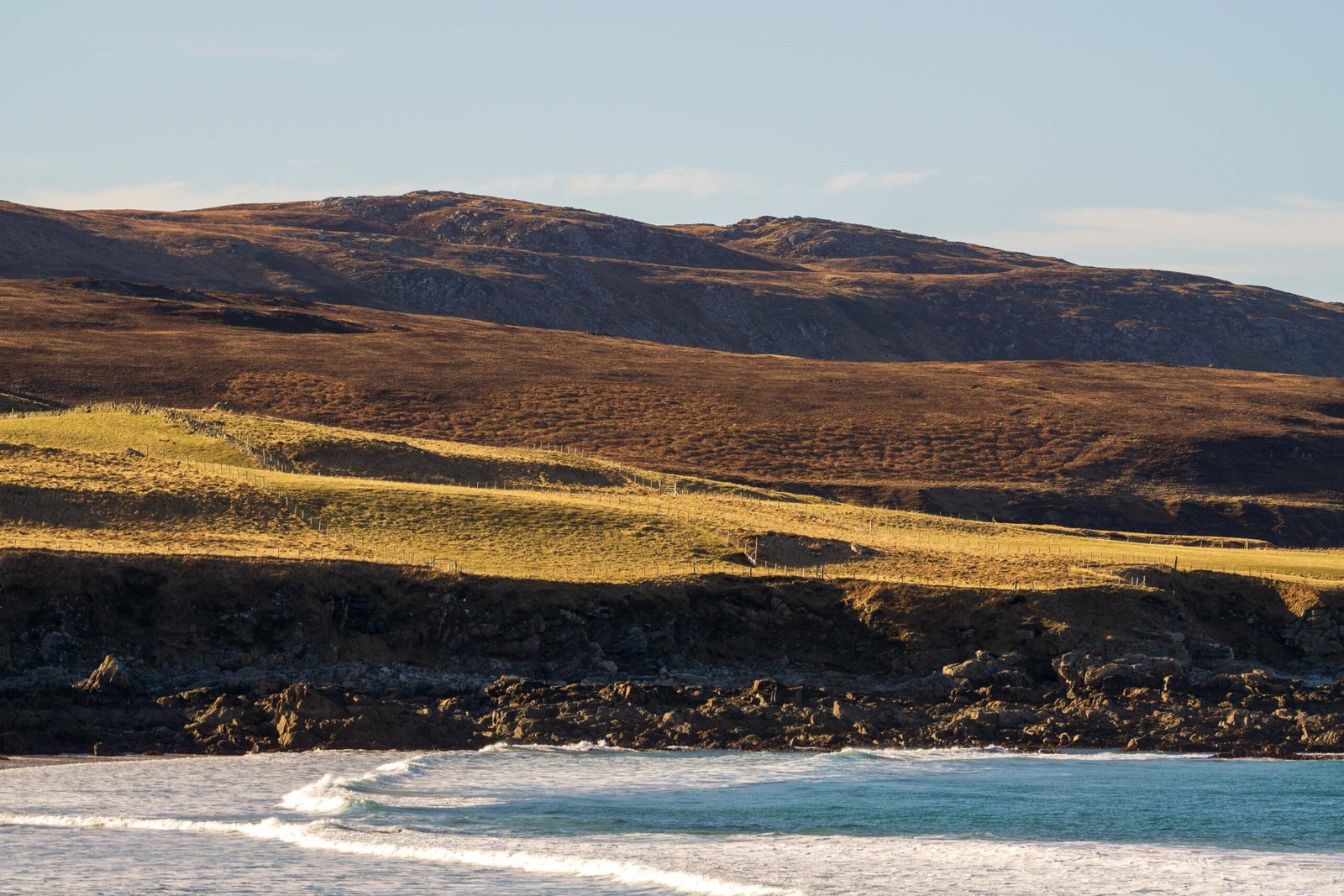
Scientists have found a marked resurgence in seabed marine life nearly a decade after protections against bottom trawling and dredging were put in place in an area off the Scottish coastline, which they say underscores the need for better protections.
Convex Seascape Survey scientists recorded the return of more than 1,500 species critical to the marine ecosystem – like worms and shellfish – in Scotland’s South Arran Marine Protected Area.
They found that seabeds which were free from trawling supported roughly twice as many species, and up to three times the abundance of marine life compared with the nearby fished areas.
Approximately 13.7% of EU marine areas are designated Marine Protected Areas, MPAs. Just 0.2% of Europe’s seabed however is currently protected from destructive bottom-towed fishing.
Scientists say that their findings point to what are being lost areas insufficiently protected, and highlight that muddy seabeds – which have often been dismissed ecologically as barren – are anything but.
They also warned that while the rapid recovery of these foundational marine species is encouraging, the long-term benefits of carbon storage may take decades.
Boom, baby boom: North Atlantic Right whales on the rise
US officials seize 50,000 smuggled shark fins, exposing trafficking network
The world’s Marine Protected Areas have a stark sewage problem
Bottom trawling costs Europe 90 times more than it makes, new study says
Less than 1% of Canary Islands waters are fully protected
While species return quickly, the seabed itself needs time to settle; researchers noted early signs of stabilisation where protection strengthened the link between sediment health and carbon retention. This suggests that while protected seabeds eventually become reliable carbon stores, the process is fragile and easily disrupted by renewed trawling
Delay of properly enforced marine protection therefore risks both damage to our ecosystems, and to a critical carbon sink.
Lead researcher Dr Ben Harris from the University of Exeter said: “These seabeds may appear empty, but they are anything but. They can recover when protected, but much more slowly than fish communities in protected areas. That means long-standing, well-enforced protection is needed to realise their full ecological and biodiversity benefits.’’
Professor Callum Roberts from the University of Exeter said: “The evidence is clear: protection works. What’s missing now is the urgency to act on it.”
Click here for more from the Oceanographic Newsroom
"*" indicates required fields
The worlds biggest ocean news.
Free to your inbox.
Every weekday.
Enjoy so much more from Oceanographic Magazine by becoming a subscriber.
A range of subscription options are available.
Receive the latest from Oceanographic and get 10% off your first order.
Copyright © 2026 CXD MEDIA LTD.
All rights reserved
Enjoy 10% off your first order with Oceanographic.
Choose from subscriptions, print magazines, books & photography prints – or bundle them together!
Use code WelcomeAboard10 at checkout.






Leave a Reply